

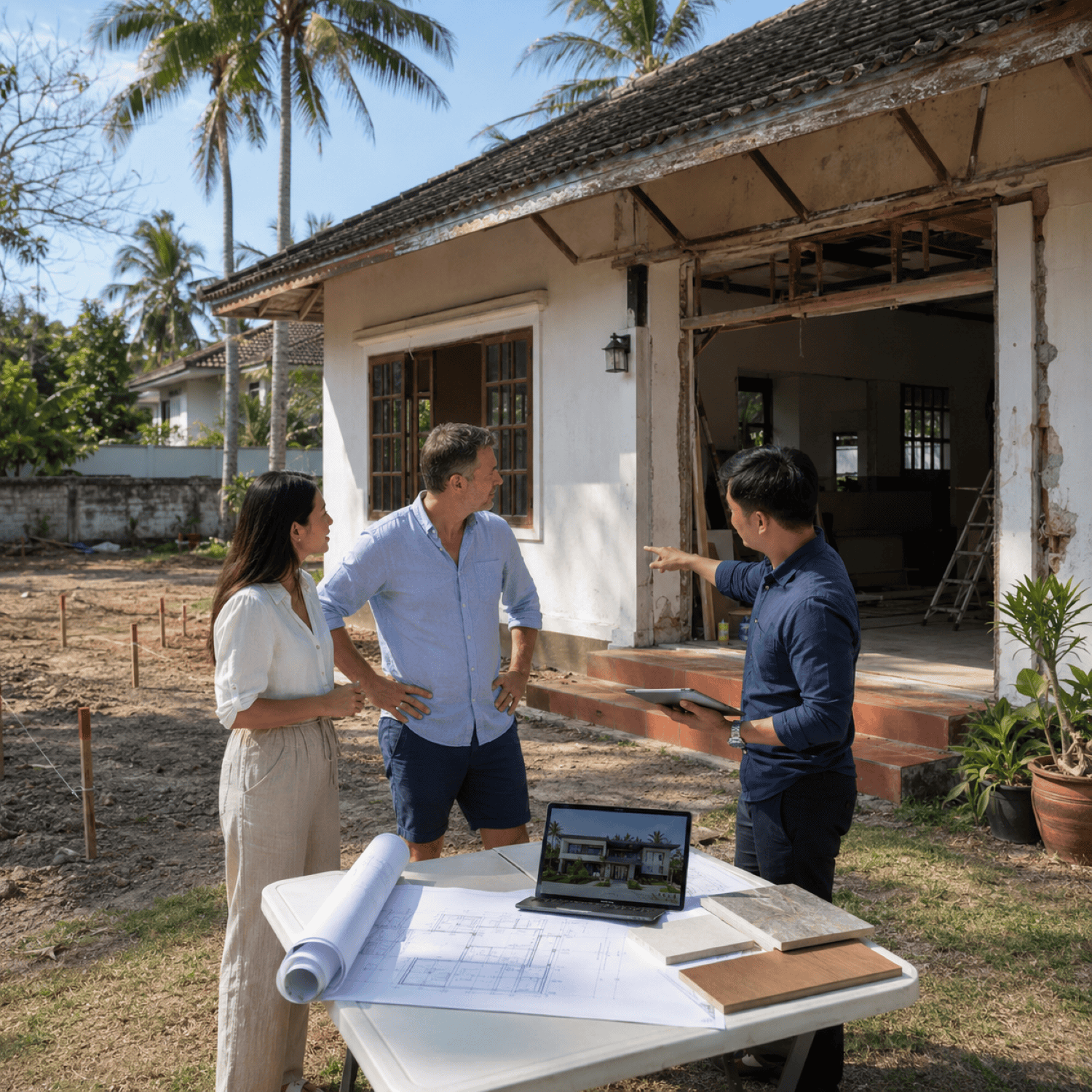
Evaluating Residential Development Options for Hua Hin Homeowners
Understanding the Landscape of Property Updates
The decision to either renovate an existing home or embark on constructing a new property involves a multitude of factors that extend beyond immediate costs and aesthetics. Homeowners in Hua Hin face unique considerations shaped by local regulations, climate, and lifestyle preferences. This article delves into key elements influencing these choices to inform strategic planning aligned with long-term goals.
Key Considerations for Home Transformation Projects
When contemplating alterations or new builds, several critical aspects must be analyzed to ensure the project aligns with broader objectives. Understanding these supports better resource allocation and risk management.
- Regulatory Compliance and Permitting: Local building codes and zoning laws in Hua Hin impose constraints that can affect project scope and timing. Staying informed about these requirements is essential to avoid costly delays.
- Structural Integrity and Foundation: Assessing the condition of existing construction determines the feasibility of renovation. Older buildings may require substantial reinforcement, influencing decisions.
- Environmental Impact and Site Conditions: Soil quality, drainage, and exposure to weather extremes are factors critical to both renovation and new construction success.
- Financial Implications: Beyond initial expenses, calculating long-term maintenance and potential value appreciation is vital for an economically sound investment.
Technical Insights into Renovation Strategies
Renovation projects in Hua Hin often focus on modernising facilities while conserving the property’s character and existing elements. This involves careful planning and selection of construction methods that minimize disruption and optimize use of available space.
Key techniques include:
- Selective structural reinforcement to enhance safety without full demolition
- Integration of energy-efficient materials suited to the tropical climate
- Updating electrical and plumbing systems to meet current standards
- Incorporating design elements that improve natural ventilation and lighting
These strategies demand expertise in both traditional craftsmanship and contemporary building technology to achieve balance.
Foundations of New Construction Development
Starting afresh permits complete customization aligned with modern living requirements and innovations in architecture. This route grants flexibility in layout, technology integration, and sustainability measures.
From site preparation to finishing, new builds require coordination of multiple disciplines:
- Site Analysis and Preparation: Evaluating terrain for stability and planning access routes for materials and labor
- Design and Engineering: Detailed schematics that consider structural soundness and functional flow
- Material Selection: Choosing durable and locally appropriate materials to maximize lifespan
- Project Scheduling and Quality Control: Sequencing tasks for efficiency while maintaining high standards
Financial and Timeframe Impacts Impacting Project Choice
Budget constraints and timing significantly influence the decision-making process. Renovations often offer quicker turnaround but can encounter unforeseen issues that inflate costs. New constructions entail longer durations but typically provide clarity in budgeting through detailed planning phases.
| Aspect | Renovation | New Construction |
|---|---|---|
| Average Duration | 3-9 months | 9-18 months |
| Cost Variability | Moderate to High (depending on condition) | More Predictable |
| Scope for Customization | Limited | Extensive |
| Disruption Level | Medium (inhabited during process possible) | High (site cleared initially) |
Linking Expertise to Optimal Housing Solutions
Working with specialists familiar with the Hua Hin market ensures project alignment with local expectations and technical necessities. Professional house construction service hua hin providers combine knowledge of climate considerations, material availability, and legal frameworks to guide homeowners toward pragmatic outcomes. Close collaboration with such experts can unveil site-specific opportunities that may not be immediately apparent to a general contractor.
Concluding Perspectives on Home Development Approaches
Analyzing the multifaceted aspects of housing projects underscores the importance of tailored planning. Whether opting for upgrading an existing structure or initiating a new development, the process entails evaluating multiple variables: compliance requirements, structural soundness, environmental contexts, and financial planning. This comprehensive understanding fosters development decisions that reflect both immediate desires and future practicality.