

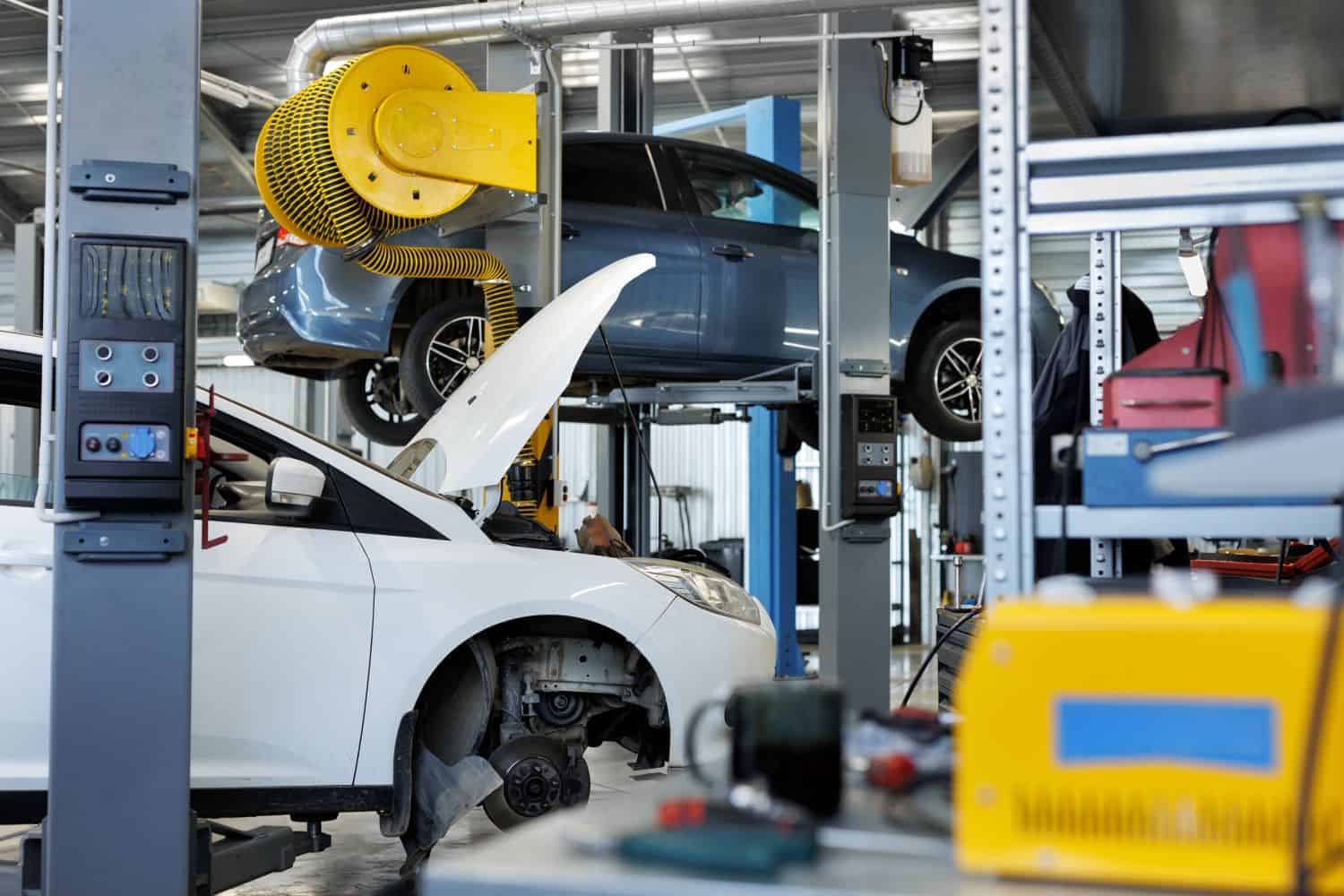
The transition toward electric vehicles and advanced driver assistance systems has fundamentally transformed the manufacturing landscape. Modern cars are no longer just mechanical machines. They are highly complex assemblies of sophisticated electronics, lightweight polymer composites, and high capacity batteries. To ensure that every individual component operates seamlessly under intense physical and environmental stress, the industry must rely on rigorous scientific validation before any vehicle reaches the consumer market.
This critical evaluation process is widely recognized as automotive testing. It involves deploying advanced physical, chemical, and microscopic analytical methods to confirm that raw materials and finished parts possess the necessary mechanical strength, thermal resistance, and chemical stability. By identifying microscopic flaws and structural vulnerabilities before mass production begins, engineers can prevent catastrophic failures on the road, protect passenger safety, and avoid devastating product recalls.
Essential Laboratory Applications in the Supply Chain
To prevent failures in highly complex vehicular systems, quality assurance teams focus on highly targeted laboratory assessments that evaluate both material behavior and potential contamination risks.
- Technical Cleanliness and Particulate Analysis: Microscopic metallic burrs or manufacturing dust left on engine parts can severely damage sensitive fluid lines. Measuring and extracting these microscopic contaminants ensures smooth mechanical operation and prevents premature engine wear.
- Metallurgy and Root Cause Failure Analysis: When a prototype part fractures unexpectedly, laboratory analysts utilize scanning electron microscopes to pinpoint the exact root cause at the molecular level. This precise data allows manufacturers to adjust their alloy compositions or tooling processes immediately.
- Electromagnetic Compatibility and Electronic Validation: With the rapid rise of electric vehicles, engineers must verify that sensitive electronic control units do not interfere with one another. Assessments ensure that onboard computers can withstand external electromagnetic disruption without malfunctioning.
To maintain consistent material quality and meet stringent original equipment manufacturer specifications, collaborating with an Alstesting automotive laboratory Malaysia provides component suppliers with the objective data needed to secure global contracts. Validating parts through a certified facility is the only way to prove absolute compliance with international safety standards.
Integrating these strict verification protocols through an Alstesting Laboratory Testing service in Malaysia protects the entire manufacturing ecosystem from unexpected technical failures and ensures long term consumer trust.
Frequently Asked Questions (FAQ)
At what stage of vehicle production do engineers conduct these assessments?
Assessments are conducted continuously throughout the entire lifecycle of a vehicle. The process begins during the initial research and development phase for prototype validation, continues with routine batch sampling during mass production, and is utilized for in depth failure analysis if field warranty issues arise.
Why is failure analysis critical for tier one automotive suppliers?
Tier one suppliers are directly responsible for providing major vehicle brands with flawless subassemblies. If a component fails, laboratory failure analysis provides empirical evidence of the root cause. This protects the supplier from unfair liability claims and allows them to correct the specific manufacturing flaw immediately.
How does material validation differ for electric vehicles compared to traditional combustion engines?
Electric vehicles require specialized assessments focusing heavily on high voltage battery enclosure safety, thermal management systems, and the fire resistance of surrounding plastics. While structural durability remains important, the chemical stability and electrical reliability of battery components take absolute priority in modern evaluations.